-
Twin Cities Fall Musky Fishing Report
Oct 15, 2026
Fall Musky Fishing: Speed, Timing, and Opportunity
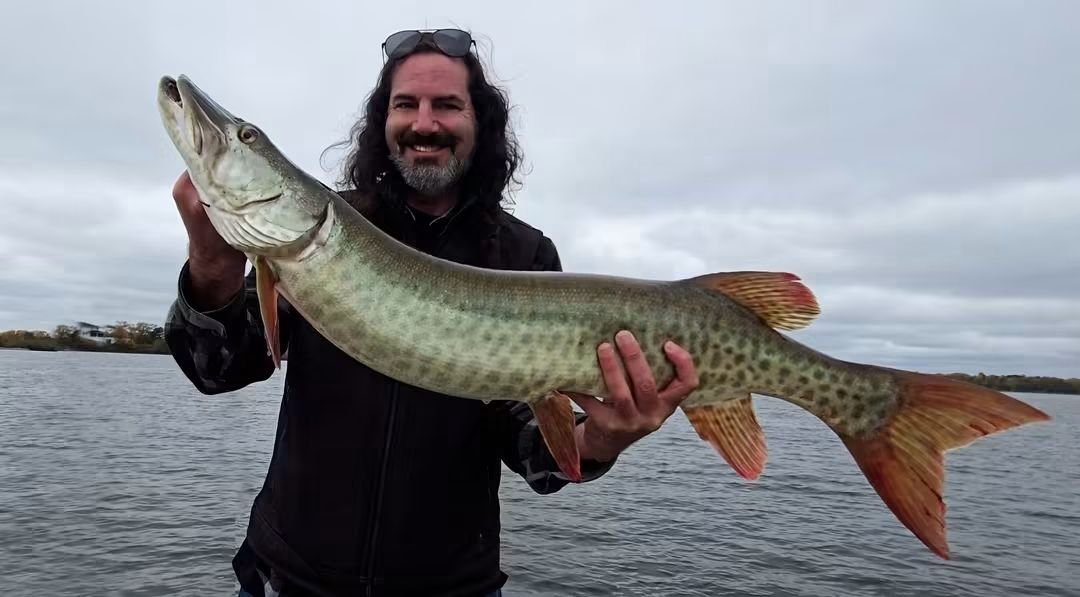
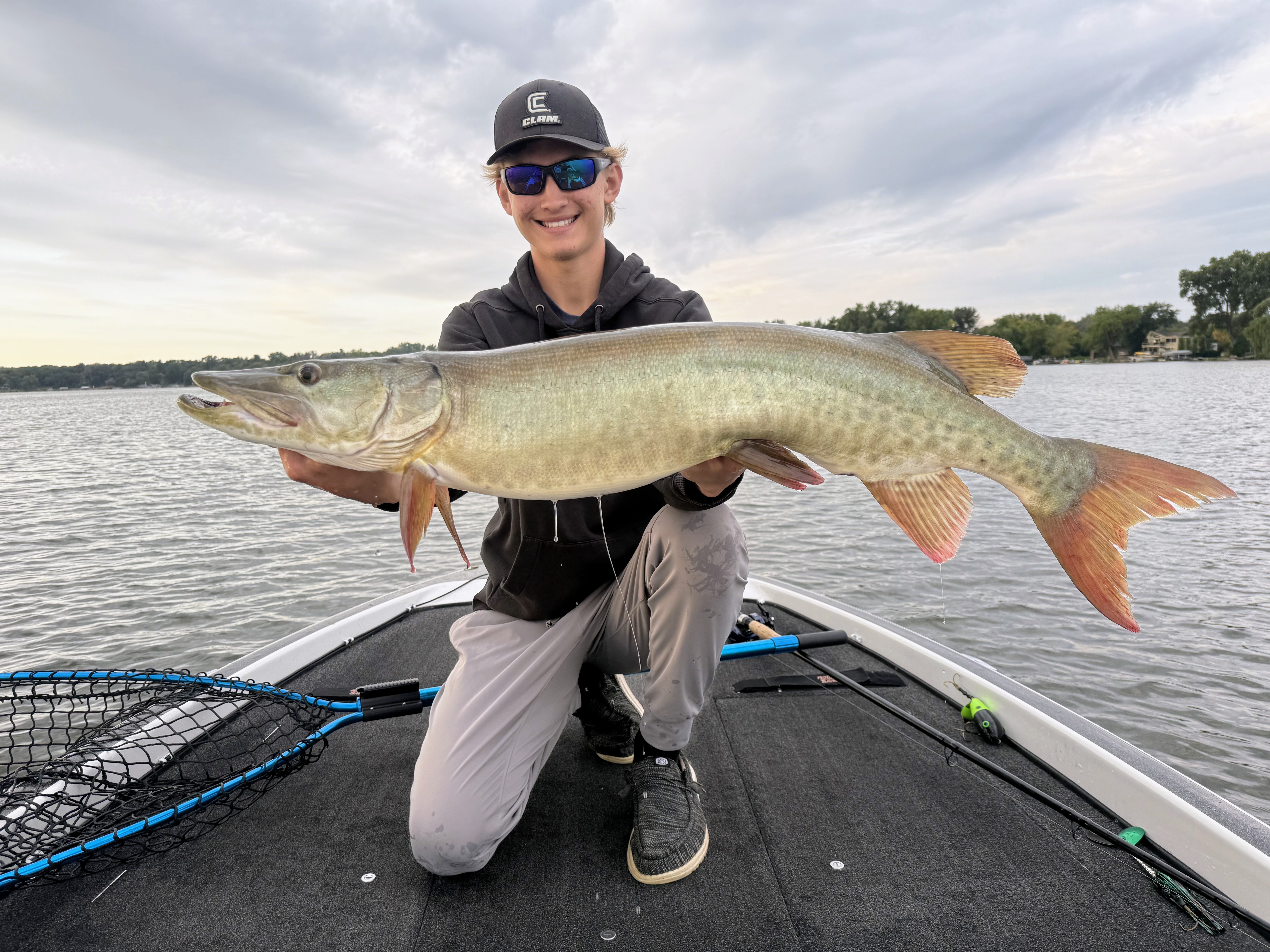
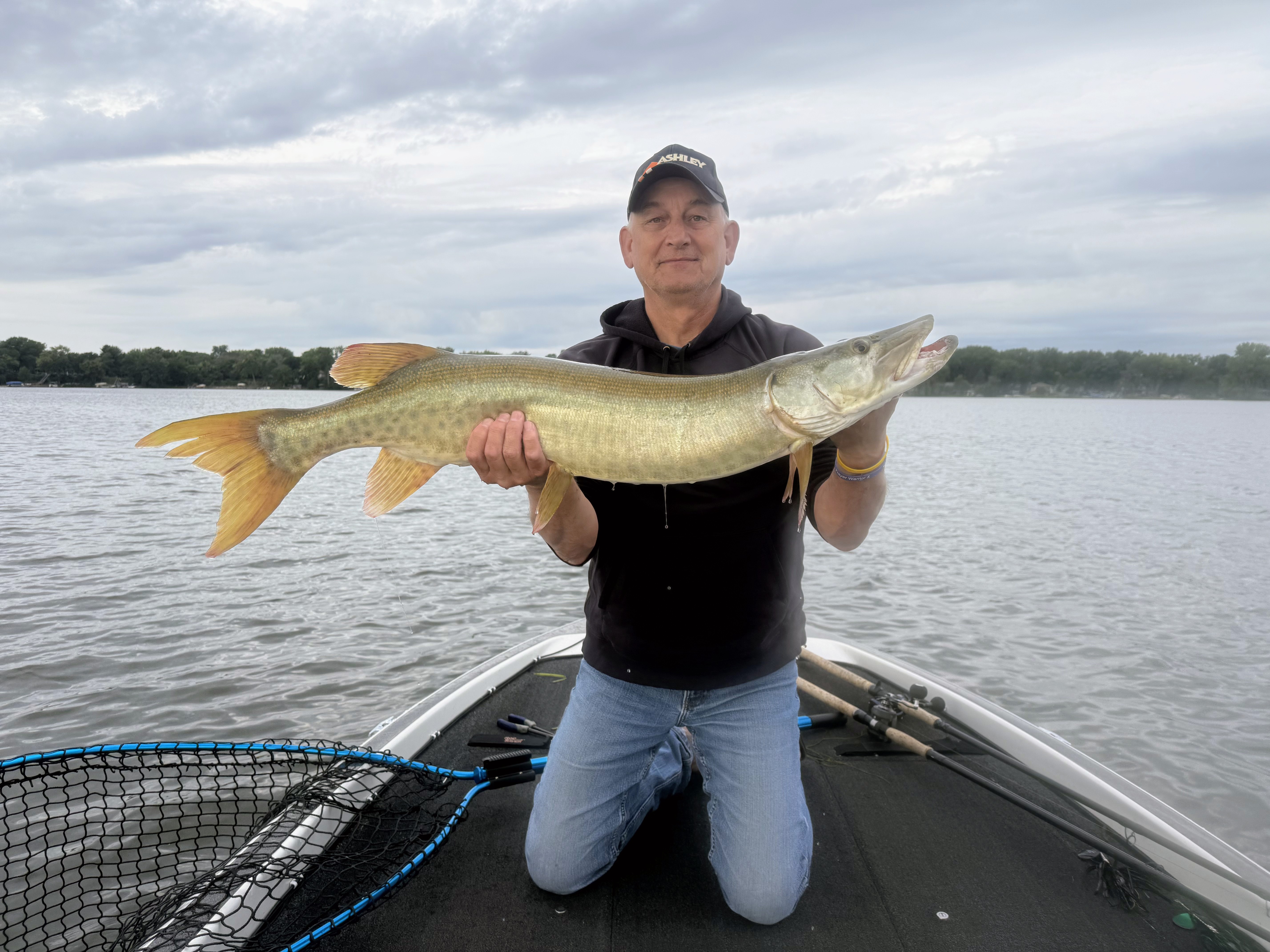
Fall musky fishing around the Twin Cities continues to offer opportunities, with water temperatures still holding in the low 60s. Despite the calendar pushing deeper into October, these temperatures are keeping muskies in a position to respond to a variety of presentations, and fast-moving baits are still getting attention.
What’s Working
Bucktails and big gliders are two presentations worth keeping in the rotation right now. Bucktails allow you to cover water efficiently and trigger reaction strikes, while larger bass-style gliders offer a different profile and an enticing side-to-side action that can draw attention from big fish.
Don't overlook sucker fishing, either. Live suckers are getting some attention and are worth having available as part of your fall game plan. As the season progresses and conditions change, having both artificial and live-bait options can help you capitalize on different fish moods.
Where to Focus
With water temperatures remaining in the low 60s, focus on areas that offer muskies access to forage and nearby ambush opportunities. Main-lake structure, points, breaks, and weed edges are all worth checking, especially where baitfish activity or other signs of life are present.
Keep moving until you find productive water, but give high-potential areas a thorough look. Follow fish closely, pay attention to how they respond at boatside, and be ready to change your retrieve speed or presentation when a fish shows interest without committing.
Moon Times Matter
Moon timing remains a key consideration during the fall musky season. Major and minor lunar periods are worth building into your fishing day, particularly when they overlap with low-light conditions or other favorable weather patterns.
For the Twin Cities, the upcoming full moon is October 25. The waxing moon is building toward that period, so keep an eye on daily moonrise, moonset, and the major and minor feeding windows when planning your time on the water.
Remember, moon periods are a tool for prioritizing your time, not a guarantee of activity. Weather changes, wind, water temperature, and forage movement still deserve close attention.
The Bottom Line
Fall musky fishing is far from over. With water temperatures still in the low 60s, bucktails, big gliders, and suckers all deserve a place in the boat. Cover water, make deliberate presentations, and pay attention to moon periods when planning your next outing.
The next opportunity could come on a fast-moving reaction bait or a well-timed sucker presentation. Stay persistent, make every cast count, and be ready when that fall giant finally commits.
Want to get on the water for a Twin Cities musky trip? Contact Musky Geek Guide Service to plan your next fall outing.
-
Late September Minnesota musky fishing is heating up as water temperatures settle around 63 degrees and muskies continue to move into predictable shallow-water areas. This is one of the most exciting times of the season to get on the water for a Minnesota musky fishing trip.
Shallow Bucktail Musky Fishing Is Producing
The shallow-water bite has been consistent, with bucktails producing muskies in shallow water around predictable locations. Weed edges, shallow flats, and areas holding baitfish are continuing to be important areas to check.
At this point in the fall, location is becoming increasingly predictable. The challenge isn't necessarily finding shallow water — it's identifying which shallow areas are holding fish and being there when those muskies are ready to feed.
For anglers targeting Twin Cities muskies, this late-September pattern provides some excellent opportunities to target active fish without necessarily having to fish extremely deep.
Low Barometric Pressure Is Key
Weather conditions are becoming increasingly important as we move deeper into fall. Low barometric pressure has been a key factor in the late-September musky bite, with muskies showing increased activity when favorable weather conditions line up.
These changing fall conditions can create short but highly productive feeding windows. Paying attention to approaching weather systems, wind direction, and barometric pressure can help determine when to spend time targeting shallow muskies.
Moon Times Are Playing an Important Role
Moon activity is also becoming an important piece of the puzzle. Moon times can help identify the most productive feeding windows, especially when they overlap with favorable weather and low-pressure conditions.
For serious Minnesota musky anglers, combining moon times, weather conditions, water temperature, and location can help narrow down the periods when muskies are most likely to become active.
Late September Is Prime Time for Minnesota Muskies
With water temperatures around 63 degrees, active shallow-water fish, and bucktails producing, the late-September musky bite in Minnesota is setting up well.
If you've been waiting for fall conditions to target a big Minnesota musky, this is the time to get on the water.
Musky Geek Guide Service offers guided musky fishing trips in the Twin Cities and surrounding Minnesota waters. Whether you're an experienced musky angler looking for another opportunity at a trophy fish or you're looking to catch your first musky, late September provides an excellent opportunity to experience the fall musky bite.
Book Your Minnesota Musky Guide Trip with Musky Geek Guide Service and get on the water while the shallow-water fall bite is happening.
-
Early Summer Muskie Tactics
May 25, 2026
Early Summer Muskie Tactics for Minnesota Metro Lakes
Early summer is one of the most underrated — and most consistent — muskie windows on Minnesota metro lakes. As water temperatures stabilize and forage settles into predictable patterns, muskies shift from post-spawn recovery to aggressive feeding. If you understand where they go and how they behave during this phase, early summer can produce some of the best action of the season.
Where Muskies Set Up in Early Summer
On Minnesota metro lakes, early summer muskies relate heavily to shallow structure adjacent to deep water. Weed growth is just reaching maturity, baitfish are using edges and pockets, and muskies take advantage of easy ambush opportunities.
Key early summer muskie locations include:
- Inside weed edges in 4–8 feet of water
- Newly topped-out cabbage beds
- Shallow points leading into basins
- Rock-to-weed transitions
- First breaks near spawning bays
Metro lakes warm quickly, so muskies often stay shallow longer than anglers expect — especially during low-light periods and stable weather.
Best Early Summer Muskie Presentations
Early summer is about covering water efficiently while triggering reaction strikes. Muskies are feeding often, but they won’t chase long distances unless conditions are right.
Bucktails and Spinnerbaits
Bucktails shine in early summer on metro lakes. Double-8s and smaller double-10s fished fast over weeds or along edges are excellent search baits. Focus on speed changes near turns, points, and thicker cover.Topwater Baits
Once water temps climb into the mid-60s, topwater becomes a major player. Prop baits and creepers worked over shallow weeds during mornings and evenings can draw explosive strikes. Calm, warm nights often lead to the best topwater bite.Glide Baits and Jerkbaits
When muskies are following but not committing, gliders and shallow jerkbaits shine. Work them slower along inside weed edges or through pockets. Early summer fish often eat on the pause.Boat Positioning Matters
On pressured Minnesota metro lakes, boat control can make or break your day. Stay off the structure and cast shallow whenever possible. Muskies cruising weed flats spook easily in clear water, especially during sunny conditions.
Focus on:
- Long casts parallel to weed edges
- Quiet boat movement
- Thorough coverage of high-percentage spots
Slowing down and making multiple passes often triggers fish that didn’t commit the first time.
Figure-8s Are Critical
Early summer muskies follow baits aggressively but often hesitate boatside. This is where perfect figure-8 execution turns follows into fish. Keep your bait moving, stay wide on turns, and change speed during the figure-8. Many early summer muskies strike right at the boat once they commit.
Timing the Bite
Weather stability is huge in early summer. The best muskie fishing on metro lakes typically happens:
- After 2–3 days of stable weather
- During warming trends
- Ahead of approaching fronts
- Early morning and evening hours
Cloud cover and light wind help extend shallow bites throughout the day.
Early Summer Is Prime Guide Season
Early summer muskie fishing on Minnesota metro lakes is predictable, exciting, and ideal for both experienced anglers and first-time muskie hunters. Understanding seasonal movements, dialing in the right presentations, and capitalizing on follows puts the odds heavily in your favor.
If you’re looking to shorten the learning curve and fish the best windows, hiring a local muskie guide during early summer can make all the difference.
-
Minnesota Muskie Opener
May 11, 2026
Minnesota Muskie Opener Tactics for Metro Lakes
The Minnesota muskie opener is one of the most anticipated—and misunderstood—times of the season, especially on heavily pressured metro lakes. Early-season muskies behave differently than mid-summer or fall fish, and anglers who adjust their tactics accordingly consistently outfish those who don’t.
If you’re fishing the Minnesota metro area muskie opener, success comes down to location, speed control, and understanding cold-water muskie behavior.
Where Muskies Set Up on the Opener
During the opener, water temperatures are typically in the upper 50s to low 60s. Metro lake muskies are transitioning out of post-spawn recovery and are focused on warmth, security, and easy meals.
Key early-season muskie locations include:
- Shallow bays with dark bottoms that warm quickly
- Inside turns and secondary points near spawning areas
- Emerging weed growth in 4–8 feet of water
- North-facing shorelines that receive the most sunlight
On metro lakes, these areas often get overlooked because anglers rush to traditional summer spots. Early in the season, muskies are far shallower than most people expect.
Slow Is the Rule on the Muskie Opener
One of the biggest mistakes made during the Minnesota muskie opener is fishing too fast. Cold water means slower metabolism, and muskies are unlikely to chase high-speed baits for long distances.
Effective early-season muskie presentations include:
- Small to mid-size bucktails retrieved slowly
- Suspending jerkbaits worked with long pauses
- Soft plastics crawled just above emerging weeds
- Glide baits fished with subtle, controlled movements
Focus on keeping baits in the strike zone as long as possible. Many opener muskies follow first and commit boatside, so disciplined figure-8s are critical even early in the season.
Boat Control Matters on Metro Lakes
Minnesota metro muskie lakes see heavy boat traffic on opener weekend. Proper boat control often makes the difference between seeing fish and actually catching them.
Key boat control tips:
- Keep your distance from shallow fish
- Make longer casts to avoid spooking muskies
- Use the wind to your advantage when possible
- Work areas thoroughly before moving on
Early-season muskies may only give you one chance. Precision beats coverage on opener weekend.
Figure-8s Still Catch Opener Muskies
Many anglers ease up on figure-8s in cold water—but opener muskies still eat at the boat. Early-season fish often follow lazily and need a clean, wide, slow figure-8 to trigger.
Key figure-8 adjustments for opener:
- Wider turns
- Slower speed
- Longer pauses at depth
Treat every follow like it’s the only fish of the day—because on the opener, it often is.
Why a Guided Trip Pays Off on the Opener
Metro lakes can be intimidating during the Minnesota muskie opener. Knowing which lakes warm first, where fish recover post-spawn, and how pressure shifts fish positioning saves weeks of trial and error.
A guided muskie trip during opener weekend puts you on the highest-percentage spots with the right baits, speed, and strategy for early-season conditions—maximizing your chances at your first muskie of the year.
-
How to Catch Muskies on Pressured Metro Lakes
Mar 19, 2026
How to Catch More Muskies on the Pressured Lakes of the Minneapolis Metro
Catching muskies on the heavily pressured lakes of the Minneapolis–St. Paul metro is a completely different game than fishing remote northern waters. These fish see thousands of casts every season, countless boats overhead, and nearly every popular lure made. Yet despite the pressure, metro lakes continue to produce quality muskies for anglers who adjust their approach.
This guide breaks down how to consistently catch more muskies on pressured metro-area lakes by focusing on strategy, efficiency, and subtle advantages that most anglers overlook.
Why Metro Musky Lakes Fish Differently
Metro-area musky lakes experience:
- High boat traffic
- Heavy fishing pressure from opener to fall
- Frequent catch-and-release encounters
- Repetitive lure exposure
As a result, these muskies are not uncatchable—but they are educated. They tend to follow more, strike less impulsively, and punish mistakes at boatside.
Success comes from refining details rather than fishing harder.
Fish Where Others Don’t (Not Just What Looks Good)
On pressured lakes, the most obvious spots are often the most overfished.
Instead of camping on community spots, focus on:
- Subtle inside turns on weed edges
- Small hard-bottom patches within weeds
- Short secondary points most anglers pass by
- Transitions that don’t show clearly on maps
Metro muskies often relate to minor changes rather than classic textbook structure. Spending time graphing and exploring pays bigger dividends here than on less pressured systems.
Time Your Fishing, Not Just Your Location
On busy metro lakes, timing matters more than spot selection.
Key windows include:
- Early morning before recreational traffic
- Short feeding windows during weather changes
- Evenings when boat traffic decreases
- Midday during unstable weather when others leave
Many metro muskies are caught when pressure drops—not necessarily when conditions are “perfect.”
Downsize Smart, Not Soft
Downsizing doesn’t mean fishing timidly—it means being intentional.
Effective pressured-lake adjustments include:
- Smaller bucktails with higher speed
- Compact rubber baits instead of magnum plastics
- Glide baits with tight, controlled action
- Topwaters with subtle sound profiles
These baits still trigger reaction strikes but don’t overwhelm fish that have seen oversized presentations all season.
Clean Boatside Execution Is Critical
Pressured muskies are notorious for following lures all the way to the boat. Boatside success often determines whether you catch fish or just see them.
Key boatside principles:
- Start the figure-8 early
- Maintain speed—don’t slow down
- Use wide, smooth turns
- Match the fish’s attitude, not your nerves
On metro lakes, many muskies are caught on the second or third turn, not the first. Confidence and discipline at boatside matter more here than anywhere else.
Refine Gear for Efficiency and Control
Small gear tweaks can create meaningful advantages on pressured water.
Consider:
- Sharpening hooks more frequently
- Using shorter leaders for better lure action
- Fresh line for improved hooksets
- Quiet boat control and clean trolling motor usage
Metro muskies don’t tolerate sloppy presentations. Clean, controlled fishing consistently outperforms brute-force tactics.
Rotate Lures and Angles Frequently
Showing a fish something slightly different is often enough.
Instead of cycling through dozens of baits, try:
- Changing retrieve angles
- Adjusting speed before switching lures
- Re-visiting spots later with a different presentation
- Fishing the same structure deeper or shallower
Small variations trigger fish that ignore repetitive patterns.
Why a Guide Advantage Matters on Metro Lakes
Pressured lakes reward anglers who understand fish behavior, timing, and efficiency. That’s why many anglers turn to experienced guides on metro waters.
A guide brings:
- Intimate knowledge of subtle structure
- Daily pressure and movement awareness
- Real-time adjustments based on fish behavior
- Boatside coaching that converts follows
On metro lakes, guidance often shortens the learning curve by years.
Final Thoughts on Metro Musky Fishing
The Minneapolis metro area offers outstanding musky fishing—but only for anglers willing to adapt. These fish demand precision, patience, and attention to detail. By fishing smarter, timing your efforts, and executing clean presentations, you can consistently catch muskies even on the most pressured waters.
Metro muskies aren’t easier—but they’re absolutely beatable.🎣